Passion for support
7 Aug 2012
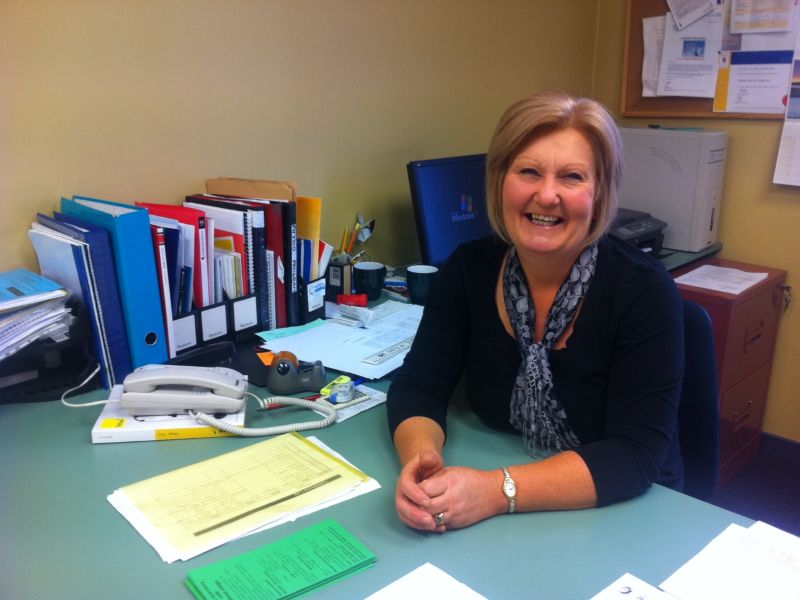
Jo Torrance was following her passion for basketball when she started as a volunteer coach for Basketball Otago more than 25 years ago. She had been involved in the sport from a young age as a player and wanted to help give back in some way to the sport. Soon she found herself investing more than 40 hours a week coaching six teams and being on the organising committee.
“I looked around and everyone volunteering was working as hard as I was, they were really tight financial times for basketball. I used to think that if I didn’t do it, it wouldn’t get done, but I slowly realised someone always steps up and it’s important as a volunteer to sometimes step back” she said.
Jo is still using her skills as a coach, but has now extended to also helping locally with the Special Olympics. She initially got involved to support her son who has special needs and inherited her passion for basketball. Since that time she has become more involved with the organisation, including becoming a member of the committee and it has really “gotten under her skin”. She sees the Special Olympics will be part of her family’s life for a long time. Jo felt that what had made the organisation so special to her as a volunteer was the fantastic committee and that she couldn’t help but get caught up in the lives of the athletes.
Jo said “Special Olympic athletes bring their lives to the events, they don’t just turn up for an hour and then go home. You have to liaise with all of their support people, and I get caught up in the amazing passion they bring, you are really dealing with people’s lives in a more rounded way and can see how my volunteering has a direct effect on them”.
Jo’s key tips for organisations on how to support volunteers:
- Very important to ask and understand people’s expectations of what they can give to volunteering. If they say they want to help, ask what they would like to help with.
- Remember volunteers can walk away at any time, they are not paid and not obligated.
- All volunteers like to feel valued and thanked, but most organisations forget to give feedback about the impact they made, with volunteers passionate and wanting to make a difference, it’s very motivating to hear what difference their efforts actually made.
- Make it fun and more people will want to be part of it.
- Recognise volunteer want to do different things, don’t take a blanket approach. The guy that bakes the cakes does not want to sell them, and the volunteer that organises all the events may not want to make cheese rolls.
- Never coerce or guilt volunteers into doing more, appreciate they could be doing something else with their time (however much they give) and appreciate what they are able to give.